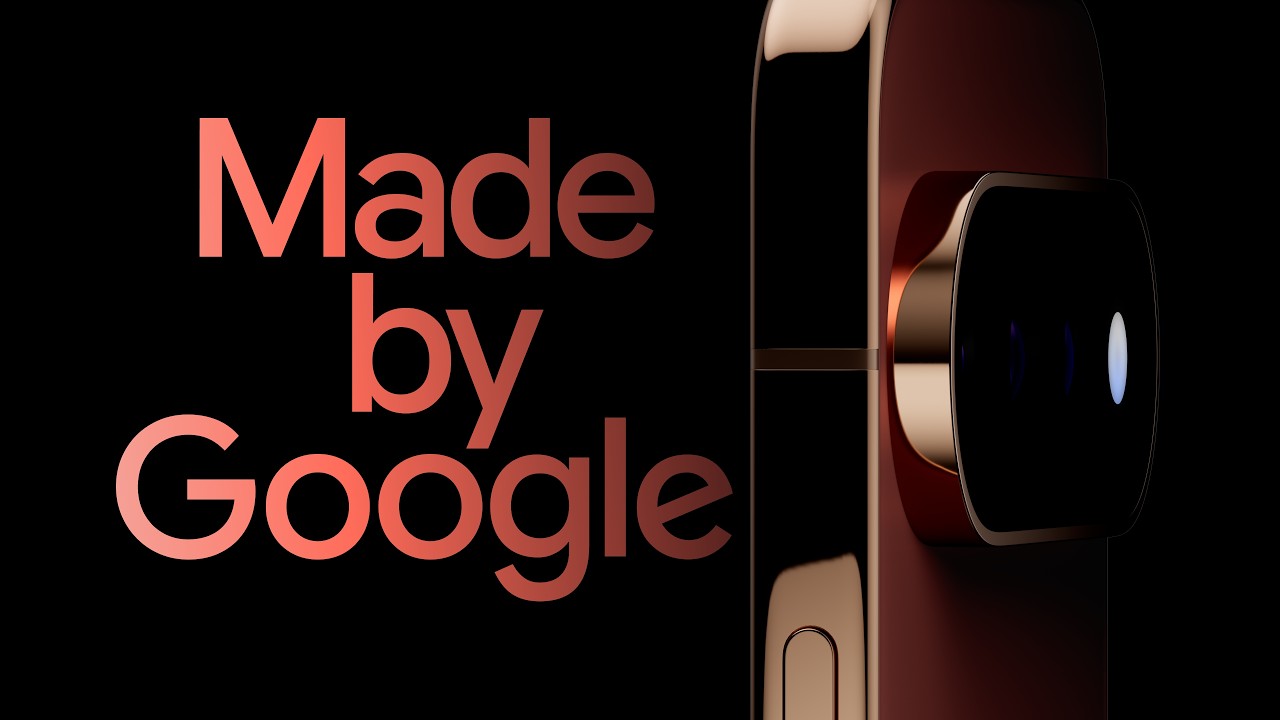
Google’s 2026 flagship family includes Pixel 11, Pixel 11 Pro, Pixel 11 Pro XL, and Pixel 11 Pro Fold. Together, the four phones present Google’s clearest vision of an AI-first Android device: hardware, the operating system, and Gemini are developed as one connected experience rather than separate layers.
Pixel 11, Pixel 11 Pro, and Pixel 11 Pro XL use Google’s Tensor G6 chip and run the latest Gemini Nano model. Google describes Gemini Intelligence as more personal and proactive, with assistance designed to reduce routine work and help users stay focused on the people and tasks that matter. Availability can vary by language, country, age, and subscription tier.
The design has also been refined. Google uses edge-to-edge glass across the camera bar, and the regular Pixel 11 has a camera bar that is 40 percent thinner than the previous design. With an official case attached, Google says the phone can sit flat without wobbling, a small change that should make desk use more comfortable.
Camera upgrades extend across the range, while the Pro models are positioned for users who want more capable lenses and creative control. Google’s official design video also introduces HiLight, a subtle illuminated notification treatment used for selected contacts and Gemini interactions. As always with Pixel, computational photography is as important as the physical camera hardware.
The Pixel 11 Pro Fold extends the same platform into a foldable form and joins the three conventional phones as the fourth member of the series. This gives buyers a wider choice of screen size and form factor without leaving Google’s first-party Android ecosystem. Durability and long-term foldable reliability should still be assessed through independent testing.
Pixel 11 is the strongest choice here for people who value clean Android software, fast access to Google features, and deeply integrated Gemini assistance. The Pro, Pro XL, and Pro Fold add increasingly specialized hardware, but the best model depends on whether portability, camera flexibility, screen size, or a folding display matters most.
Source: www.youtube.com
Conversation
0 commentsNo comments yet. Start a useful conversation.